





Are Red Light Panels Safe?
IN THIS ARTICLE
- 01 What Is Red Light Therapy?
- 02 How Does Red Light Therapy Work?
- 03 Are Red Light Panels Safe?
- 04 What Are the Benefits of Red Light Panels?
- 05 Are There Any Risks or Side Effects with Red Light Panels?
- 06 How Often Should You Use Red Light Panels?
- 07 Do Red Light Panels Really Help?
- 08 What to Consider When Choosing a Red Light Panel?
- 09 The Takeaway
Light-based therapy has been around for years, but advances in technology are changing how we use it. Once largely confined to aesthetic clinics, it’s now widely available for home use, with red light panels joining LED masks as a popular option. As interest grows, understanding how these devices work — and how to use them safely — is key.
What Is Red Light Therapy?
Red light therapy is a non-invasive treatment that uses targeted wavelengths of red and near-infrared light to stimulate the skin’s natural repair processes. Unlike surface-level treatments such as scrubs or peels, this light energy travels beneath the skin, where it’s then absorbed by cells and helps them function more efficiently.
One way to think about red light is as an ingredient, rather than a tool. Just as topical skincare relies on active ingredients to trigger specific responses, red light interacts with receptors inside skin cells, encouraging processes linked to repair, renewal, and collagen production. Over time, this can help improve the appearance of fine lines, uneven tone, redness, and dullness.
How Does Red Light Therapy Work?

When red and near-infrared light reaches the skin, it’s absorbed by the mitochondria – the tiny organelles inside cells that act as their power source. This light exposure helps mitochondria produce more ATP (adenosine triphosphate), essentially the fuel cells use to do their job. With more energy available, cells are better able to regenerate and restore skin tissue.
The wavelength of light matters because it determines how deep that energy can travel. Red light (around 660nm) works closer to the skin’s surface, which is why it’s often used to improve tone, texture, and elasticity. Near-infrared light (around 850nm) penetrates deeper into tissue, making it useful for supporting circulation, recovery, and deeper cellular repair. Used together, these wavelengths allow light therapy to work both at the surface and beneath it.
Are Red Light Panels Safe?
When used correctly, red light panels are generally considered safe. Red and near-infrared LED light stimulates skin function without causing injury or trauma, which is why the treatment is classed as non-invasive.
That safety profile is also why at-home red light devices sit in a different category to higher-risk medical treatments. Panels designed for home use are built to deliver specific wavelengths at controlled intensities, allowing light to penetrate the skin in a controlled way. This is where FDA clearance comes in — it signals that a device has been reviewed for safety when used as directed, rather than simply being marketed as “LED”.
Not all LEDs are made the same, and device quality can vary. Panels that clearly state their wavelengths, power output, and testing standards — including FDA clearance for red and near-infrared light — are designed to deliver effective exposure without tipping into unnecessary risk.
What Are the Benefits of Red Light Panels?

Used consistently over time, red light panels can support a range of skin and body benefits by delivering red and near-infrared light across a larger treatment area. Key benefits include:
- Improved skin tone and texture: Supports cellular renewal and collagen production for smoother, more even-looking skin.
- Firmer skin and fewer wrinkles: Linked to improved elasticity, helping soften the appearance of fine lines.
- Calmer, less inflamed skin: Widely used for its anti-inflammatory effects, particularly for redness-prone or sensitised skin.
- Enhanced circulation and recovery: Near-infrared light penetrates deeper, supporting blood flow and cellular repair beyond the skin’s surface.
-
Whole-body support: Panels can be used beyond the face to support muscle recovery, joint comfort, and overall tissue health — particularly with larger, hands-free formats like the LumaLux Dome.
Are There Any Risks or Side Effects with Red Light Panels?
Red light therapy is generally well-tolerated and largely side-effect-free. In some cases, mild irritation or sensitivity can occur — most often linked to overuse, sitting too close to the device, or exceeding recommended treatment times.

Heat is another red flag. Red light therapy should never feel hot; if it does, it may stimulate pigment-producing cells, which can be an issue for those prone to hyperpigmentation. Eye safety is also worth considering, particularly with larger panels. While there’s no clear evidence linking LED therapy to long-term eye damage, precautionary measures matter. Devices tested against recognised standards such as IEC 62471 (the international photobiological safety standard) offer added reassurance, and guidance on whether eye protection is needed for red light therapy is worth following.
As with any light-based treatment, those who are photosensitive, taking light-sensitising medication, or managing specific skin conditions should check with a medical professional before starting.
How Often Should You Use Red Light Panels?
Most at-home red light panels are designed to be used three to five times a week, with sessions typically lasting anywhere between 3 and 15 minutes, depending on the device. Consistency matters more than intensity — longer or more frequent sessions won’t necessarily speed up results. Always follow the manufacturer’s guidance, particularly around distance from the panel and total exposure time.
Do Red Light Panels Really Help?
There’s a growing body of research supporting red and near-infrared light for skin health, particularly when it comes to collagen production, inflammation, and tissue repair. Like most skincare technologies, results are gradual and cumulative rather than instant — but used consistently, many people notice improvements in skin texture, firmness, and overall tone over time.
What to Consider When Choosing a Red Light Panel?
When investing in a red light panel, look for:
- Clearly stated wavelengths — ideally dual-wavelength models around 660nm (red) and 850nm (near-infrared)
- FDA clearance for red and near-infrared light
- Transparent power output and safety testing
- Ease of use — including size, mounting options, and recommended distance
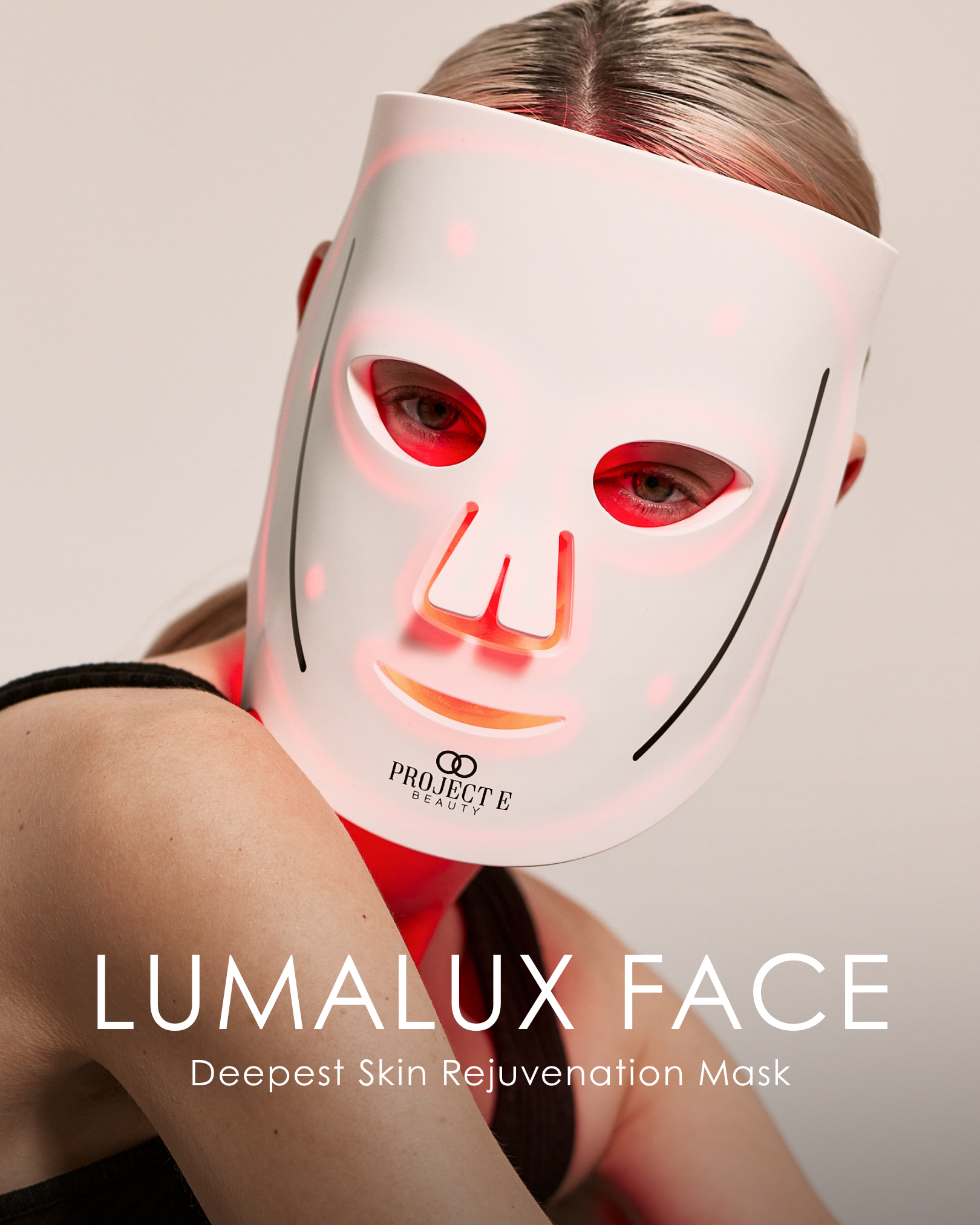
Panels and masks each have their place. Well-designed masks, like the LumaLux Face Pro LED Light Therapy Mask, focus on precision and coverage — combining multiple wavelengths with a high density of LEDs to ensure consistent exposure across the face — while larger-format devices like the LumaLux Dome are better suited to treating bigger areas of the body (see how red light panels compare to masks).

LumaLux Face | Pro LED Red Light Therapy Mask
Our most advanced LED mask for deeper skin renewal - fine lines, acne, hyperpigmentation, skin texture

LumaLux Dome | Face & Body LED Red Light Therapy Device
8 wavelength full body LED light therapy device for skin rejuvenation, fine lines, acne, muscle recovery and mood boost
The Takeaway
Used correctly, red light panels are a safe, non-invasive way to use light therapy at home. The key is choosing a reputable device and sticking to the recommended treatment times. Used consistently, red light therapy can support skin health both between clinic appointments and as a standalone at-home routine.



Leave a comment
This site is protected by hCaptcha and the hCaptcha Privacy Policy and Terms of Service apply.