




How much does Red Light Therapy cost?
IN THIS ARTICLE
- 01 Clinic vs Home Treatments
- 02 The Factors Driving Red Light Therapy Costs
- 03 Is It Cheaper to Do Red Light Therapy at Home?
- 04 How Many Red Light Therapy Home Sessions Will I Need to See Results?
- 05 Is Red Light Therapy Worth the Money?
- 06 Do I Need Special Skincare with Red Light Therapy?
Red Light Therapy is not the kind of skincare treatment you do once and tick off your list. Whether your goal is to address fine lines, post-inflammatory redness, breakouts or a general loss of radiance, studies show that the visible benefits of red light therapy (RLT) typically come from consistent use over time, not from a single session.
The results from daily use of an LED mask are encouraging: research has shown that after 28 days’ use, people saw an average 28.5% reduction in pore size, a 15.5% decrease in the depth of crow’s feet around the eyes, and a 26.4% improvement in skin firmness.
However, this is also why cost is such a big consideration. When a treatment needs to be repeated to maintain benefits, it’s less about the cost of a single session than it is about the smartest way to invest when you want visible results without overspending. Here, we crunch the numbers on how much red light therapy really costs.
Clinic vs Home Treatments

In a professional setting like salons, medispas and cosmetic clinics, RLT is commonly offered both as a standalone treatment and as an add-on to facials or other advanced skin therapies. As it supports the skin’s recovery process, red light therapy complements treatments such as laser resurfacing, rejuvenation facials and acne-focused treatments, and is often bundled into a broader treatment plan.
A standalone professional RLT session usually costs around US$25 to US$85, though many salons offer a discounted package rate for multiple sessions. When combined with another facial treatment, the cost can run from US$110 to US$175+, and can go even higher when combined with premium facial services.
Professionals often use medical-grade LED devices that are more intense than at-home tools. But a high-quality red light therapy device designed for home use can make it more convenient to stick to a consistent schedule.
The Factors Driving Red Light Therapy Costs
The cost of red light therapy is typically driven by four things: how often you need to use it, whether you’re paying for professional appointments or a home device, whether RLT is booked as a standalone treatment or bundled with other services, and how specialized the device is for the concern you want to treat.
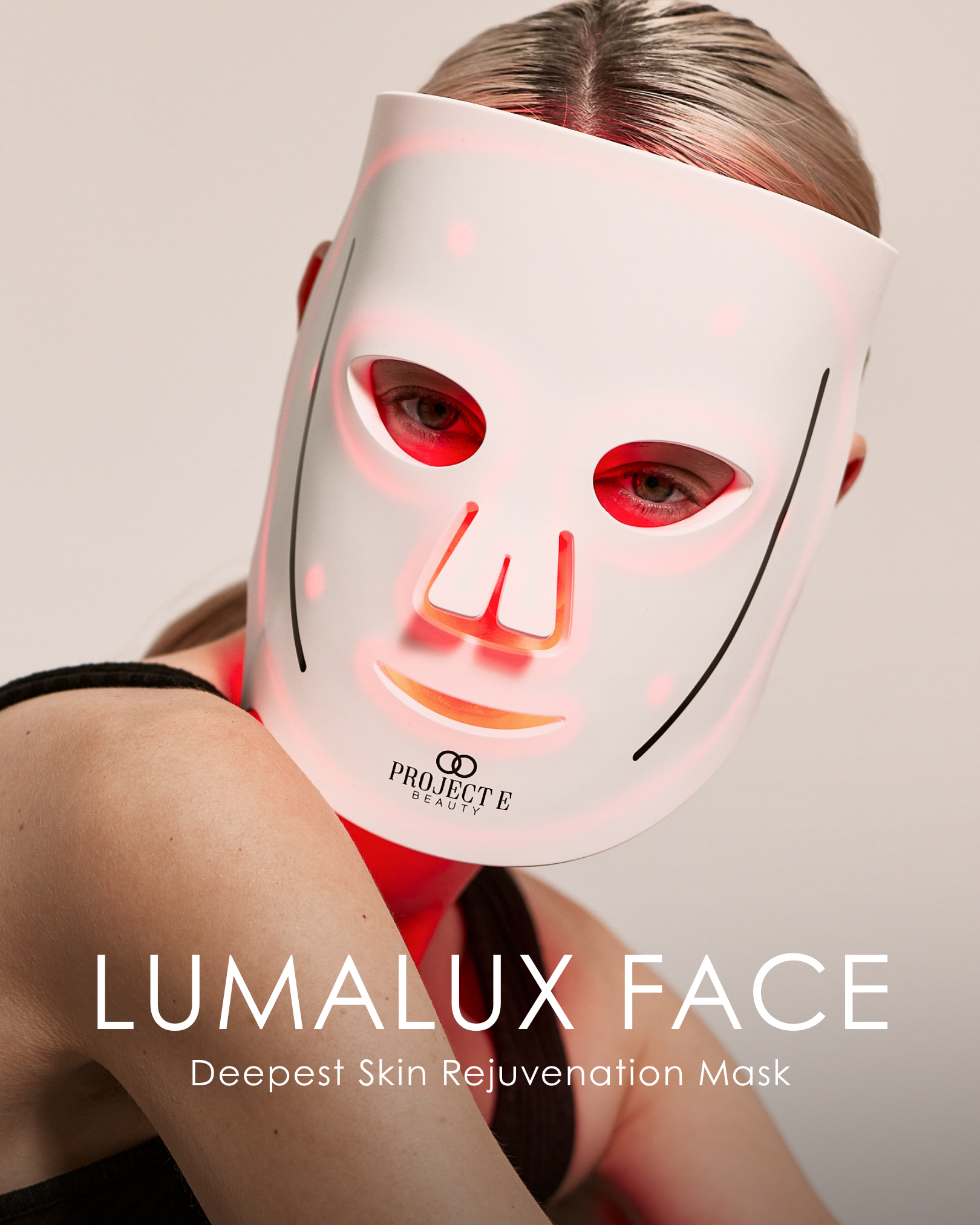
It’s also worth looking closely at what you’re actually getting for the price, because not all at-home red light therapy masks are created equal. For example, Project E Beauty’s LumaLux Face | Pro LED Red Light Therapy Mask is built with 800 LED globes – around four times the number found in many other home masks – to deliver far more extensive coverage, including around the delicate eye and lip areas that often show the first signs of ageing. And its eight treatment modes leverage clinically backed light wavelengths to support skin rejuvenation.
Is It Cheaper to Do Red Light Therapy at Home?

There’s no doubt that purchasing a red light therapy device to use at home requires a significant upfront investment. But that’s not the only factor to consider if you’re looking for value for money. A device like LumaLux Face | Pro LED Red Light Therapy Mask is designed to be used in a 3-minute session, 3-to-5 times per week (it can even be used daily). That makes it easy to incorporate into a morning or evening skincare routine, to address common skin concerns like fine lines, blemishes, inflammation and dullness.
Booking a daily – or even monthly – in-salon LED session would quickly add up, not to mention time and transport costs. One of the advantages of choosing an at-home device is that you can be more selective about the format that actually suits your needs. Rather than paying for access to a large professional machine, you can invest in a device designed around the areas you want to treat most often.
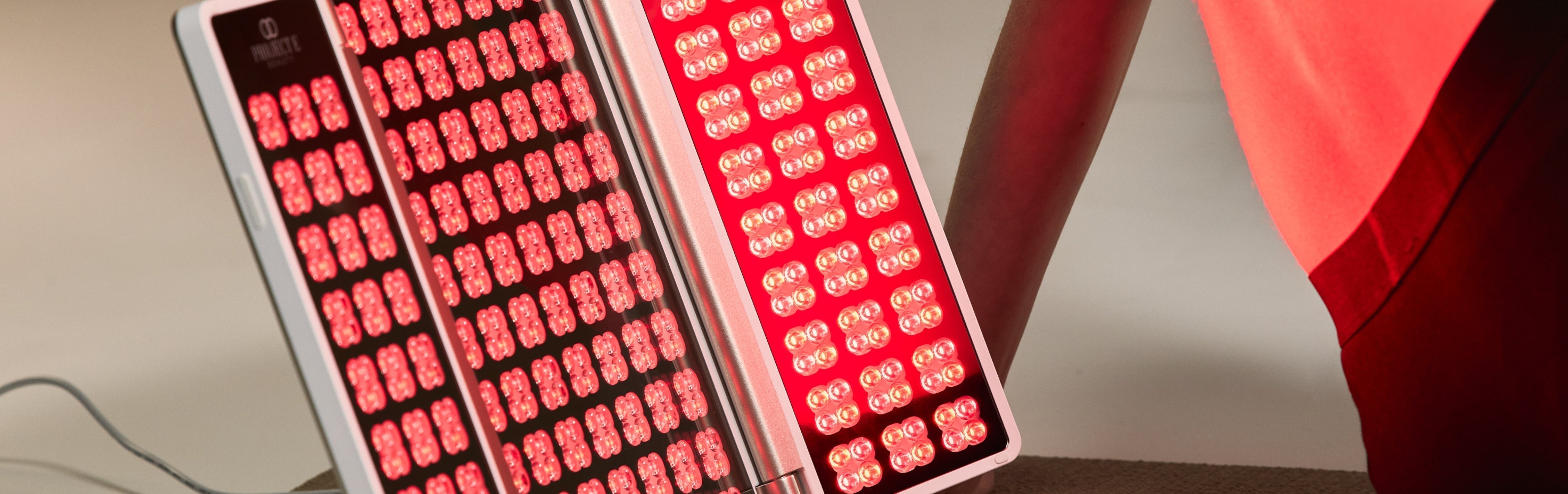
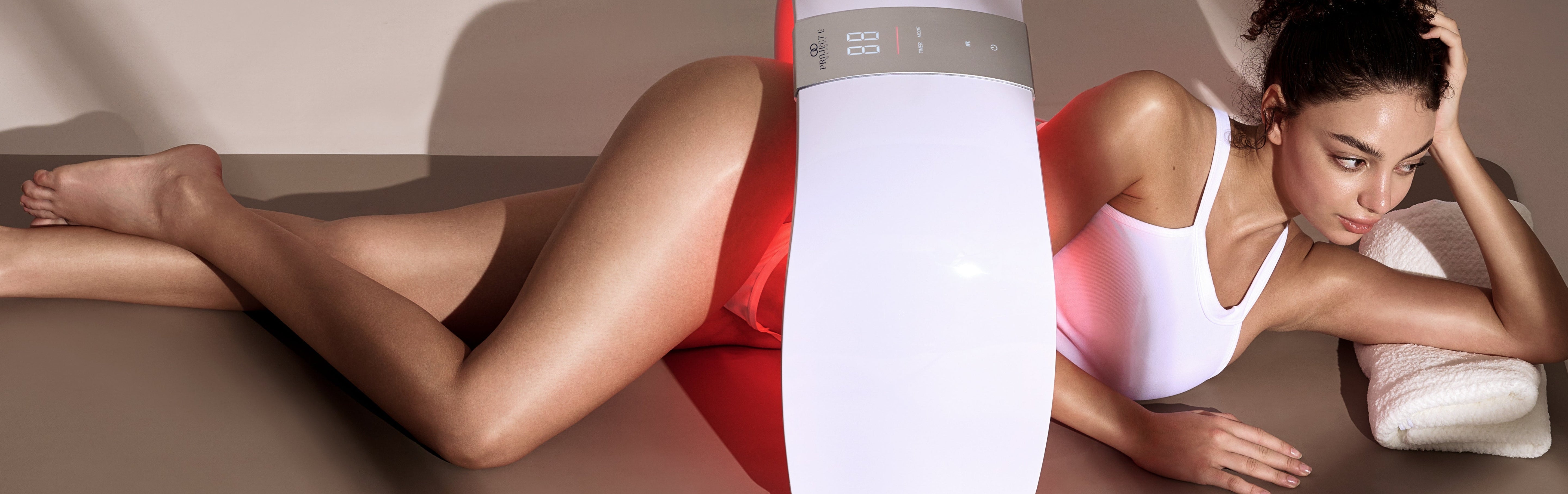
For some people, that might mean Project E Beauty’s LumaLux Face+ | Pro LED Red Light Therapy Face & Neck Mask, which covers not only the face but also the delicate neck and décolletage. For others, it may make more sense to choose a larger panel like the Lumalux Dome, which can be used across multiple areas of the body to support muscle recovery and healing. And if you like the panel format of many professional devices, you’ll want to consider the Alora | Age Renewal LED Light Therapy Panel, which has three face-contouring panels featuring an industry-leading 1488 LEDs.
The point is not simply to spend less, but to spend more intelligently on a format that matches how and where you want to use red light therapy at home.
How Many Red Light Therapy Home Sessions Will I Need to See Results?
As with any facial treatment, results may vary – some people report seeing improvements in skin texture and tone after a few weeks of regular at-home sessions, while others may take longer.
Here’s what to expect, as a general guide:
-
2–4 weeks: skin looks brighter and calmer, and redness is reduced
-
6–8 weeks: texture feels smoother and hydration improves; skin looks healthier and more radiant
-
8–12 weeks: the appearance of fine lines is visibly reduced and skin looks firmer
Is Red Light Therapy Worth the Money?
Red light therapy can be worth the investment if you’re looking for visible anti-ageing or anti-inflammatory results at home, from a device that’s grounded in clinical testing and engineered to deliver precise, science-backed wavelengths. In that context, it’s not simply another beauty gadget, but a treatment designed to produce measurable changes over time with consistent use. Plus, it has no downtime and can actually optimise the results seen from other treatments.
Do I Need Special Skincare with Red Light Therapy?
While you don’t need to use specific skincare products with RLT, there are a few caveats. A RLT device should be used on clean, dry skin, so a good cleanser is essential to thoroughly remove all traces of moisturiser, sunscreen and make-up. After a home RLT session, follow with supportive serums and moisturisers that are formulated with ingredients like hydrating hyaluronic acid, calming niacinamide and nourishing squalene. Find out more about the right kind of skincare to use with red light therapy in this article.
Used this way, red light therapy does more than support your skin goals on its own – it can also help you get more value from the skincare products already in your routine.

LumaLux Dome | Face & Body LED Red Light Therapy Device
8 wavelength full body LED light therapy device for skin rejuvenation, fine lines, acne, muscle recovery and mood boost

Alora | Age Renewal LED Light Therapy Panel
Target up to 5 skin layers with advanced blue, infrared and red light therapy contour panel



Leave a comment
This site is protected by hCaptcha and the hCaptcha Privacy Policy and Terms of Service apply.